

How to keep your windows working in salt air
Simple habits that keep your windows sliding smoothly, sealing tightly and looking clear in the Bahamas’ salt air and hurricane season.


In the Bahamas, our windows work hard all year. Salt air, strong sun, humidity and hurricane season all wear on glass, frames, seals and hardware. The good news: a few simple habits keep windows opening smoothly, sealing tightly and looking clear for years.
Why salt air is tough on windows
Sea breezes carry tiny salt particles that settle on glass, frames and moving parts. Salt pulls moisture out of humid air, so it can keep working on metal hardware even on days when it doesn’t rain. Left alone, it builds into a cloudy film on the glass and can cause corrosion on locks, hinges and rollers. The closer you live to the water, the faster it builds up.
1. Clean the glass gently, and often
- Use mild dish soap and warm water with a soft cloth, sponge or microfiber towel. Rinse, then dry with a squeegee or clean cloth to avoid spots.
- Skip razor blades, metal scrapers, abrasive pads and harsh or petroleum-based cleaners. They can scratch the glass and damage coatings and seals.
- Homes near the ocean should rinse and wipe windows more often than homes inland. Every month or two is a good habit for sea-facing windows.
2. Don’t forget the frames and screens
Wipe frames with the same soapy water to remove salt before it settles in. Take screens out a few times a year and wash them with mild soap and a soft brush. Clean screens mean you’re not wiping salt and dust back onto clean glass.
3. Clear the tracks and weep holes
Sand and grit in the tracks wear down rollers and make windows hard to open. Vacuum the tracks, then wipe them with a damp cloth.
Most windows have small weep holes at the bottom of the frame that let rainwater drain out. If they’re blocked, water can back up into your home. To test them, pour about a cup of water into the sill track. If it drains outside quickly, you’re fine. If not, gently clear the holes with a cotton swab or thin wire.
4. Keep moving parts moving
After cleaning, lightly spray tracks, rollers, hinges and locks with a silicone-based lubricant, then open and close the window a few times to spread it. In salt-air areas, plan to do this at least twice a year. Avoid oil and grease, which trap sand and dirt.
5. Check seals before hurricane season
Atlantic hurricane season runs from June 1 to November 30, so May is a good time for a quick check:
- Look at the rubber seals (weatherstripping) around each window. Replace any that are cracked, flattened or pulling away.
- Close the window and look for daylight around the edges from inside. If you can see light, water and wind can get in too.
- Check the caulking where the frame meets the wall and reseal any cracks or gaps.
- Make sure every lock and latch closes firmly.
Your quick window care checklist
- Monthly: rinse and wipe sea-facing glass and frames
- Every few months: vacuum tracks, wash screens, test weep holes
- Twice a year: lubricate tracks, rollers, hinges and locks
- Every May: check seals, caulking and locks before hurricane season
When it’s time to upgrade
If your windows stick even after cleaning, leak in heavy rain, or the frames are badly corroded, it may be time to replace them. Hurricane impact windows are built to stand up to strong winds and flying debris, and PVC (uPVC) frames hold up well in salt air.
Windows from We Buy U Sell

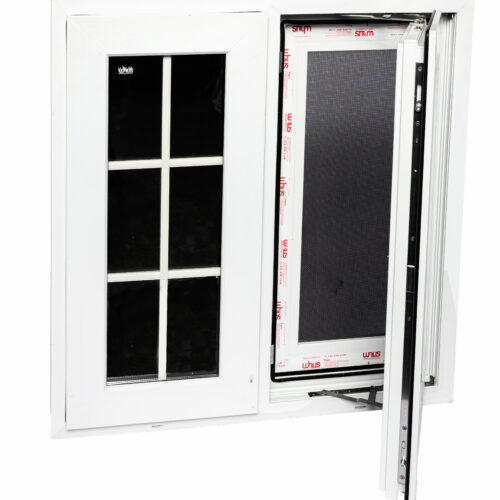

Shop all windows → Questions about sizes? Contact our team.
Always follow the care guide for your specific windows. This article is general advice for home maintenance.